

3 Helpful Tips For Finding Relief From IBS
Tired of living with abdominal cramping, bloating, and unpredictable bowel habits? Discover 3 practical, evidence-based tips to manage Irritable Bowel Syndrome (IBS) and restore digestive comfort.
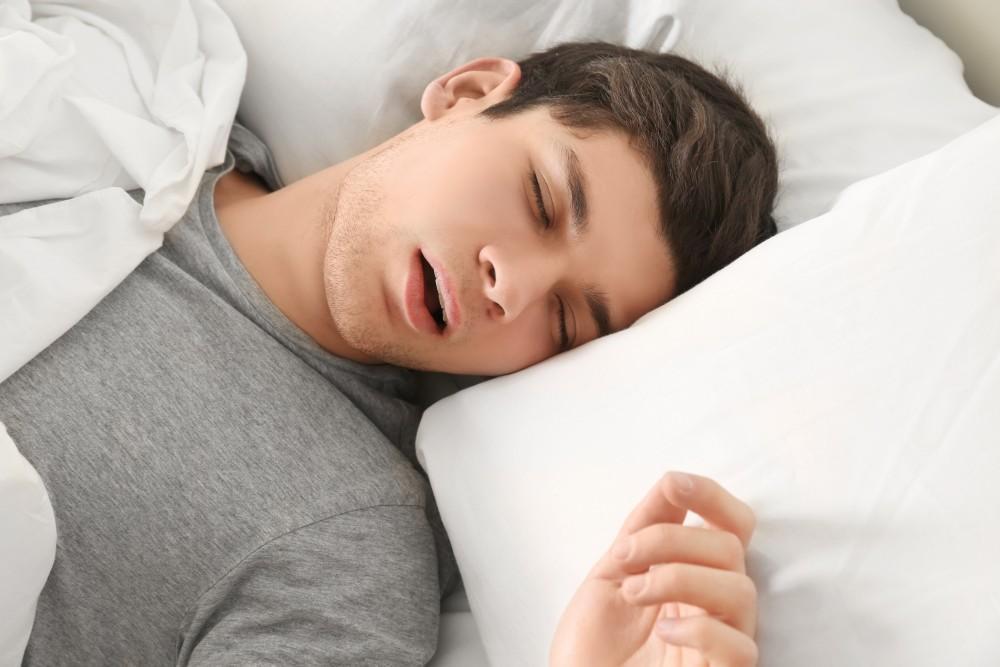
Loud snoring, like in a cartoon where the roof rises, is a hallmark symptom of sleep apnea. But that’s not always the case. Up to 20 percent of patients who have sleep apnea do not snore.
At his internal medicine practice in Tarzana, California, Samuel Fink, MD, sees this often. Patients who complain about sleeping eight hours but not feeling rested, are surprised to learn they may have sleep apnea, a disorder that repeatedly interrupts their breathing during the night.
Here’s how he explains this condition, unofficially known as “Silent Sleep Apnea.”
Why Some People with Sleep Apnea Do Not Snore
Patients with obstructive sleep apnea (OSA) are more likely to snore than those with central sleep apnea (CSA. Here’s why.
OSA involves a physical blockage of the airway; a structural and mechanical issue where soft tissues in the throat collapse and narrow the airway.
CSA occurs because the brain temporarily fails to send signals to the breathing muscles. Because there is no active attempt to force air past a narrowed, vibrating throat, these patients often do not snore. CSA is significantly less common than OSA. It’s more prevalent in patients with certain health conditions, such as congestive heart failure, chronic opioid use, or stroke.
Regardless of the type of sleep apnea, women with these conditions are less likely to snore heavily.
Some of the reasons are:
Women with sleep apnea who don’t snore loudly may not realize anything is wrong.
Apart from snoring, here are some common symptoms that suggest you may be suffering from sleep apnea.
The good news is that sleep apnea is highly treatable.
Treatment depends on the severity and type of sleep apnea. Options include:
Only in rare instances is surgery necessary.
Left untreated, sleep apnea can lead to high blood pressure, heart disease, diabetes, and memory loss.
Don’t let poor sleep drain your energy and affect your health. If you suspect you have sleep apnea, contact Dr. Fink in Tarzana, California, today. Call the office at 818-609-0700 or use our online portal to request an appointment.


